Pet owners know the challenges and difficulties that come with caring for animals. From the cost of adoption or breeding to the upkeep costs to the time and effort commitment necessary for basic training and care, owning and caring for a pet can be costly and stressful. What if you could gain the benefits of pet ownership for a fraction of the cost and a modicum of the effort required to take care of a pet? House plants are inexpensive substitutes for animals and provide health and lifestyle benefits similar to those of owning a pet.
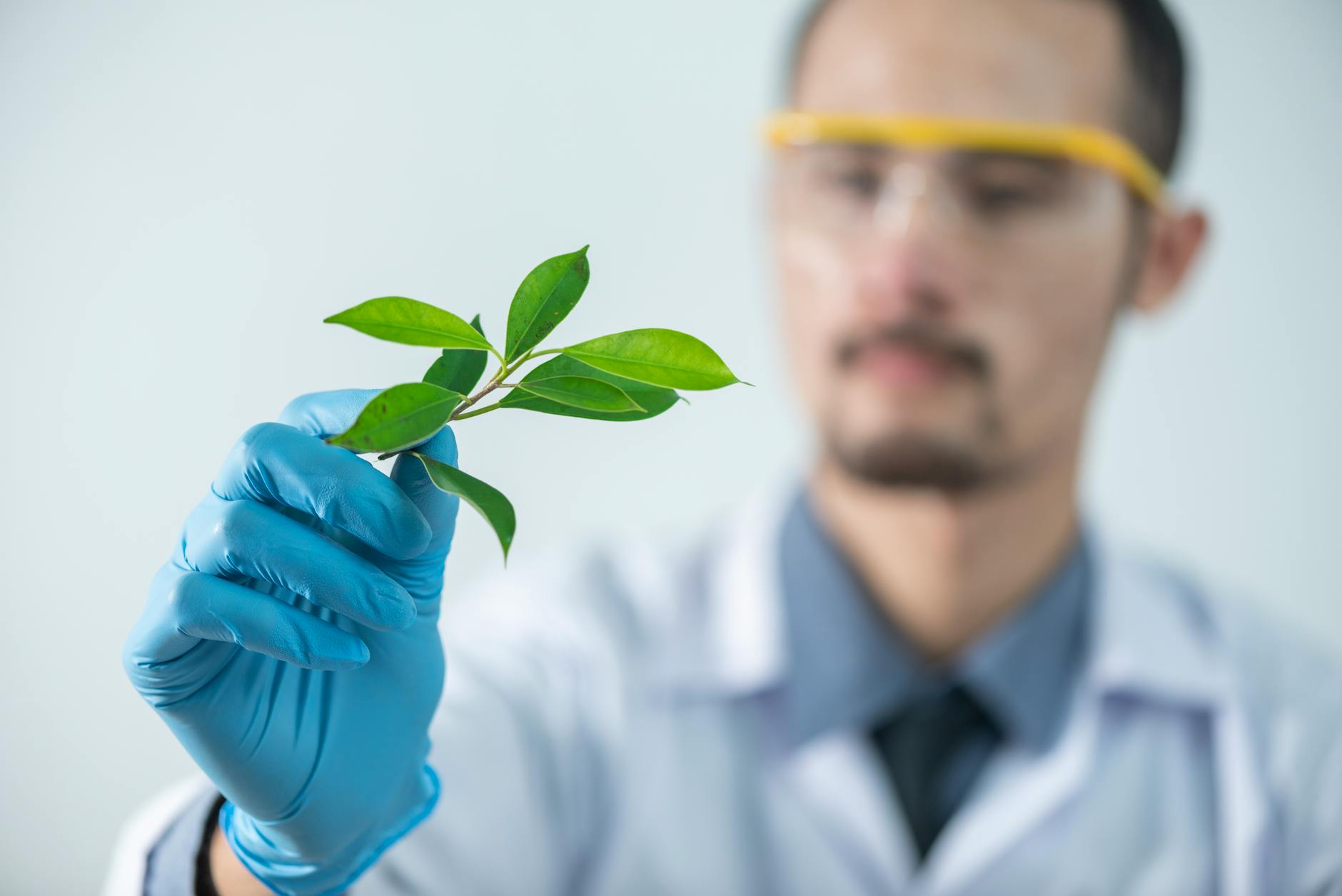
However, unlike looking for the perfect pet for your home, the perfect house plant won’t jump out at you. It takes time and effort to go about researching and locating the ideal plant suited for you and your home. If you need to spice up your life and flare up your living space, it is likely that a house plant is exactly what you’re looking for. Use the following tips to guide your research efforts.
Tip 1: Lifespan
The first factor to consider while exploring the vast array of house plants to choose from is lifespan. There are three descriptors that delineate a plant’s lifespan: annual, biennial, and perennial. HGTV defines these terms as follows:
- An annual is a plant that lives for just one season. Whether you plant from seed or purchase seedlings to plant, an annual will sprout, flower, seed and then die — all in the same year.
- Biennial plants grow for two seasons but won’t bloom until the second year.
- Perennials, on the other hand, live for three or more growing seasons.
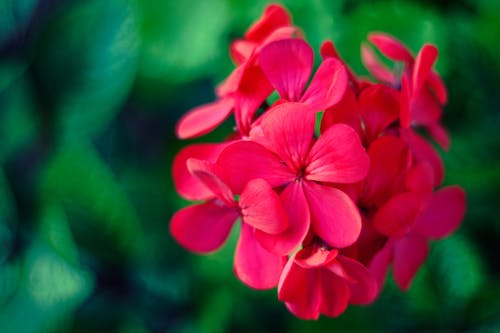
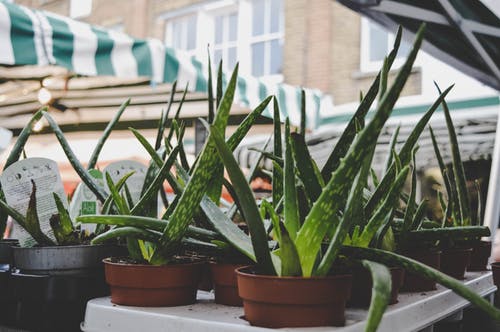
Annuals, such as some species of the beloved geranium, can be more problematic to care for indoors than out because of their flowery nature requiring more light than perennials. As a result, they are often planted outside in the spring and brought inside for the winter in a process called wintering or overwintering. Perennials, like the ever-popular succulent, aloe vera, are often viewed to be much easier to care for.
Tip 2: Choosing the Proper Soil
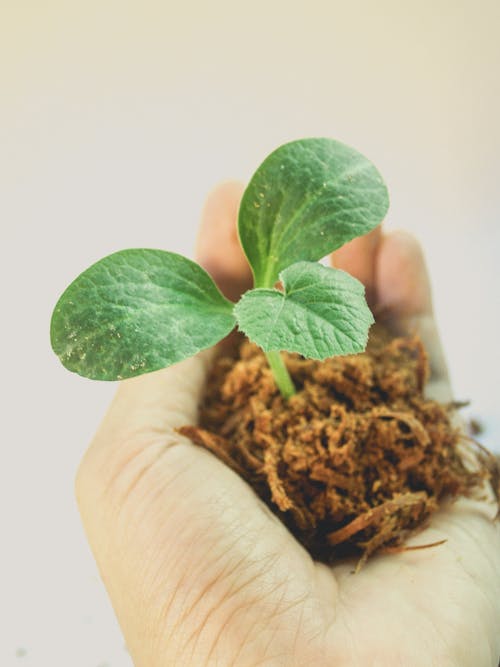
The tricky part about aloe brings me to my next topic: soil. There are many different types of soil that plants require or thrive in. Aloe and cacti, for example, need a specific cactus potting soil mix, which is mainly sand mixed with loam and a bit of peat to create the ideal concoction of nutrients and the right amount of drainage that these plants need to flourish. Thompson and Morgan have a great article describing different types of soils and providing examples of flowers that burgeon in each soil variety.
Tip 3: Water and Sunlight Requirements
As emphasized above when talking about aloe and cacti, drainage is one of the most crucial properties of soils that prompts the next topic: proper watering. Soil selection and water requirements work hand-in-hand. For example, though aloe plants and cacti need to be planted in soil with good drainage, they still need to be watered correctly or else they will dehydrate and die. Coincidentally, if the same plant were to be watered properly in soil without the required drainage, the plant will drown. This guide from House Plants Expert provides good information and tips on how much water to give as well as distinct watering methods for different types of plants.
Additionally, you must be aware of how much sunlight different plants require. Some plants may not be able to live in the same conditions that you can. As such, you need to research light requirements for plants to determine which plants you could feasibly raise. Luckily, House Plants Expert has a guide for this too! The article also discusses using artificial lighting, which can be a decent substitute in less sunny regions or during darker seasons.

Tip 4: Overall Commitment
All the tips up to this point will indicate the total commitment level you should be prepared to make to raise your house plant. It is critical to choose a plant in which you will be able to commit the necessary amount of time and effort to raise. As a rule of thumb, if you cannot commit much time or effort, you should look into getting a succulent or a cactus. If you are up for the challenge of raising a colorful or good-smelling plant, check out these flowering plants. Of course, it’s up to you to pick a plant that you can care for, so do your research and be ready to make the commitment.
Final Remarks
One of the last things to keep in mind is potting your plant. You must have an appropriate-sized pot for your plant. If you don’t know what that size should be, there are plenty of resources online and, if you are shopping for your plant in-person at, for example, a Walmart or Lowes, garden center employees that can give you advice. Once you have your pot and plant, potting it properly is critical. Follow this guide from Lifestyle Home Garden or watch the video below if you aren’t sure how to pot your plant. As always, if you forget something or just don’t know an aspect about taking care of your plant, the internet is your friend.
 Chris Mathis Portfolio & Blog